Computational Physics

Multiscale Modelling for Materialsand Gene Regulation

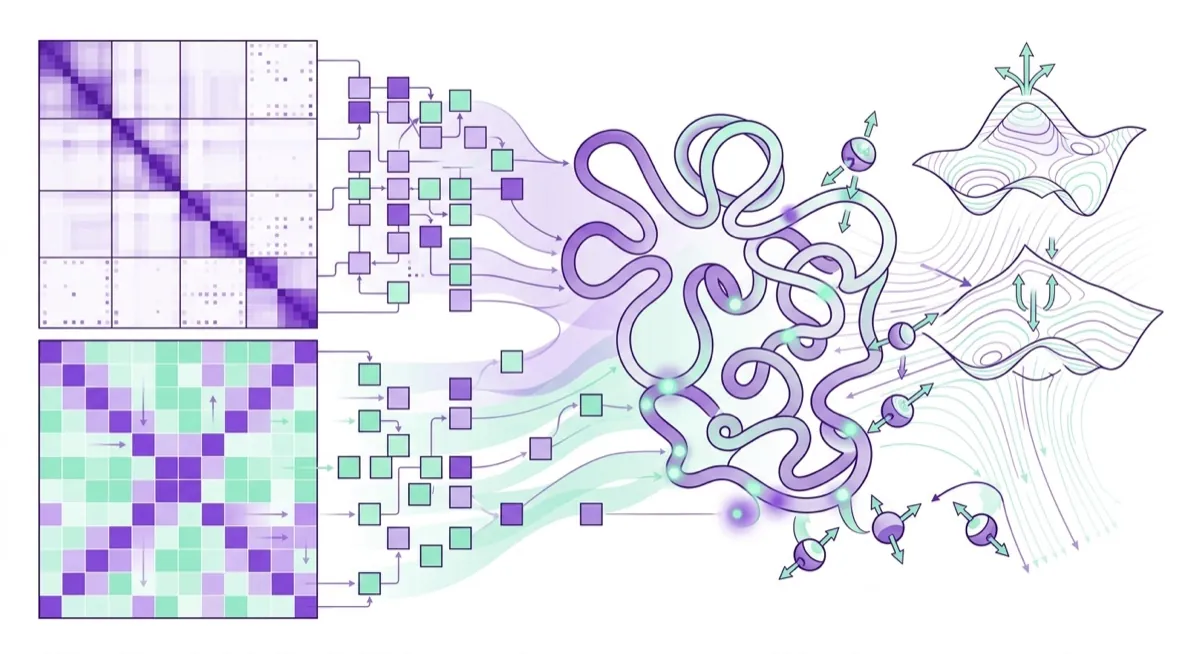
We focus on structure-property relationships across length and energy scales, from nanoscale materials and confined liquids to soft-matter and biological regulation.

We use multiscale modelling, statistical mechanics, atomistic simulation, and AI for physics to connect microscopic structure and dynamics to design rules for electrolyte design, sodium batteries, DNA packing, enhancer-promoter contacts, and gene regulation.

01Structure
02Dynamics
03Mechanism
04Prediction
05Design
Molecular dynamics DFT Multiscale simulations Kinetic Monte Carlo Graph neural networks Active learning Neural-network potentials Composite electrolyte

Electrolyte Design for Sodium Batteries

We design liquid, solid, and composite electrolytes for sodium-metal and sodium-sulfur batteries using multiscale modelling, molecular simulation, and machine-learning-guided materials discovery.

The central question is how local coordination, interfacial chemistry, and transport pathways determine battery performance.

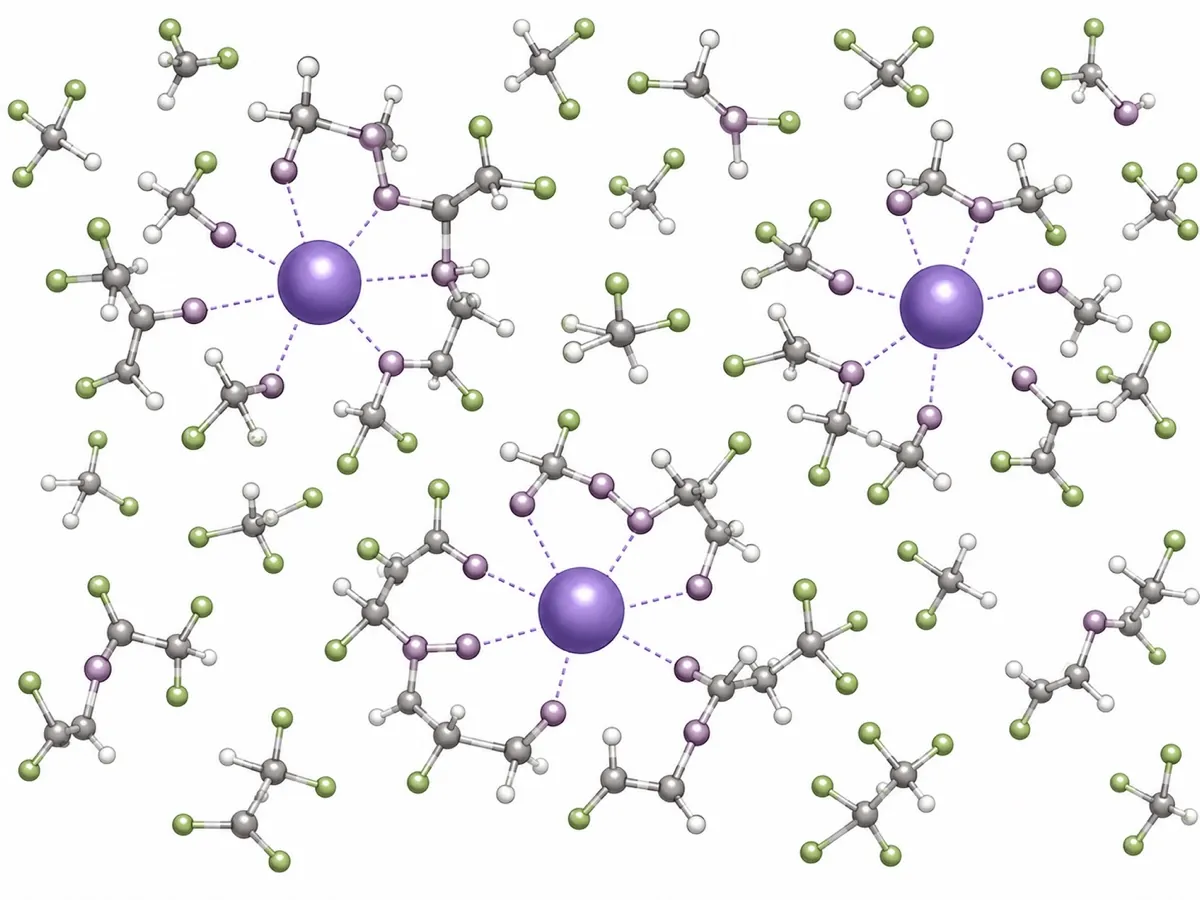
Solvation shell and ion transport illustration
Liquid Electrolytes

Solvation and Ionic Transport

How does molecular design reshape solvation environments, ion transport, interfacial reactions, and SEI formation in sodium-metal batteries?

ApproachMolecular dynamics, solvation analysis, and interfacial chemistry models connect local coordination to transport and stability.
Methods
MDDFTSolvation analysisInterfacial modelling
Systems
Liquid electrolytesLHCEFluorinated etherSodium metalSEI formation
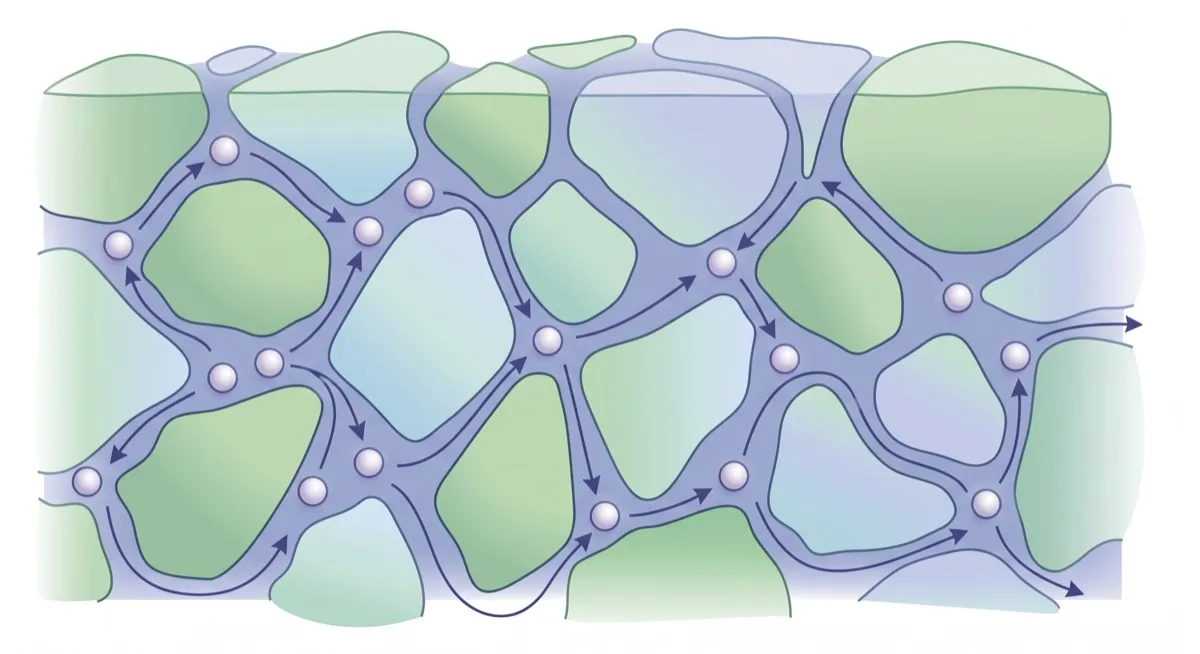
Solid and polymer electrolyte illustration
Composite Electrolytes

Solid-Polymer Electrolyte Interfaces

How do solid-electrolyte interfaces reshape polymer structure, ion transport, and transference number?

ApproachAtomistic and polymer models track interface-driven structural changes and translate them into transport descriptors.
Methods
MDPolymer dynamicsTransport analysis
Systems
Solid electrolytesNASICONGarnetsPEOHFP + PVDF
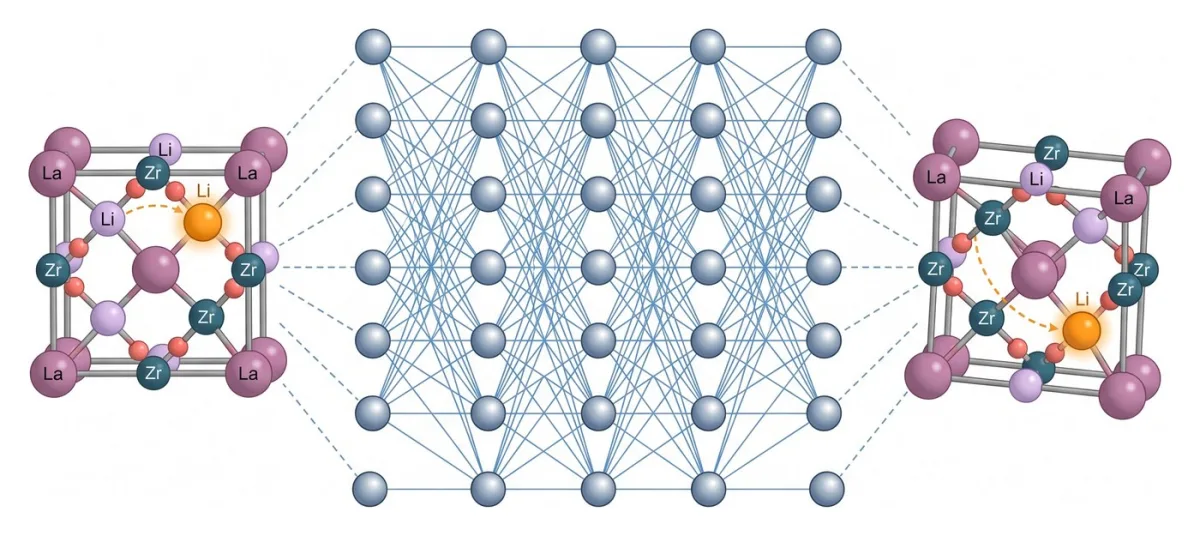
Machine learning for solid electrolytes illustration
Machine Learning

Machine Learning for Solid Electrolytes

Which NASICONs, garnets, and grain-boundary transport pathways can support fast ion motion beyond direct quantum-scale screening?

ApproachMaterials databases, graph neural networks, active learning, and neural-network potentials accelerate screening and mechanistic simulation.
Methods
GNNActive learningML potentials
Systems
NASICONsGarnetsGrain boundariesTransport
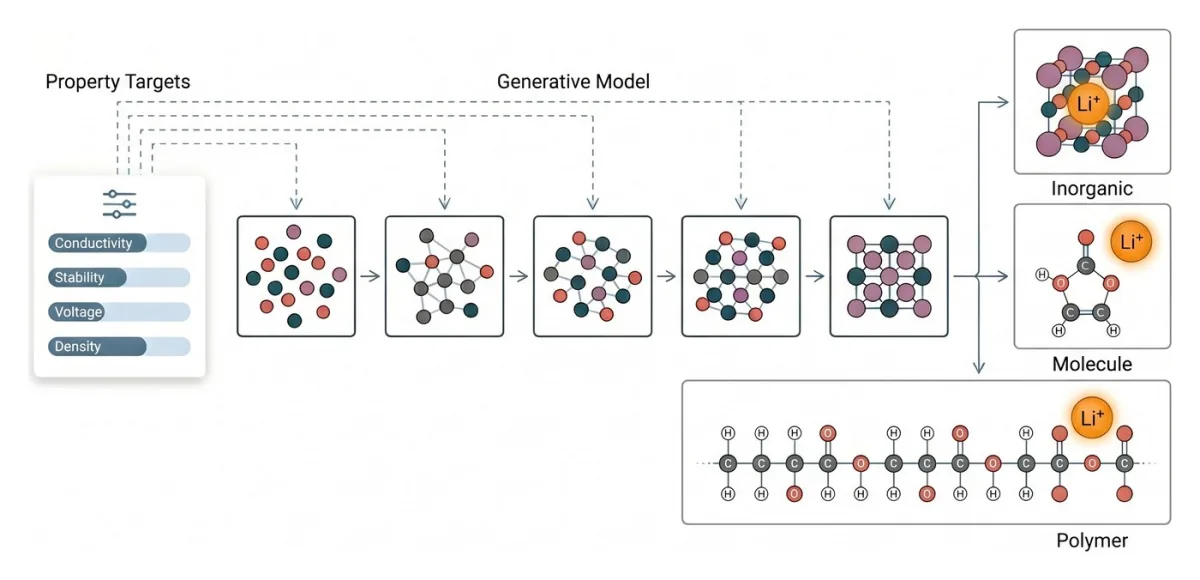
Physics-guided materials generation illustration
Materials Generation

Physics-Guided Materials Generation

Can physically meaningful descriptors move electrolyte discovery from screening known materials toward generating targeted candidates?

ApproachPhysics-based descriptors and multiscale simulations prioritize candidates with desired transport, stability, and interfacial properties.
Methods
DescriptorsMultiscale simulationsScreening
Systems
Liquid electrolytesSolid electrolytesComposite electrolyte

Genome Biophysics and Gene Regulation

We use polymer physics, kinetic modelling, bioinformatics, and machine learning to understand chromatin organization, TADs, and transcriptional regulation.

The central question is how 3D genome organization constrains regulatory timing, noise, and expression response.

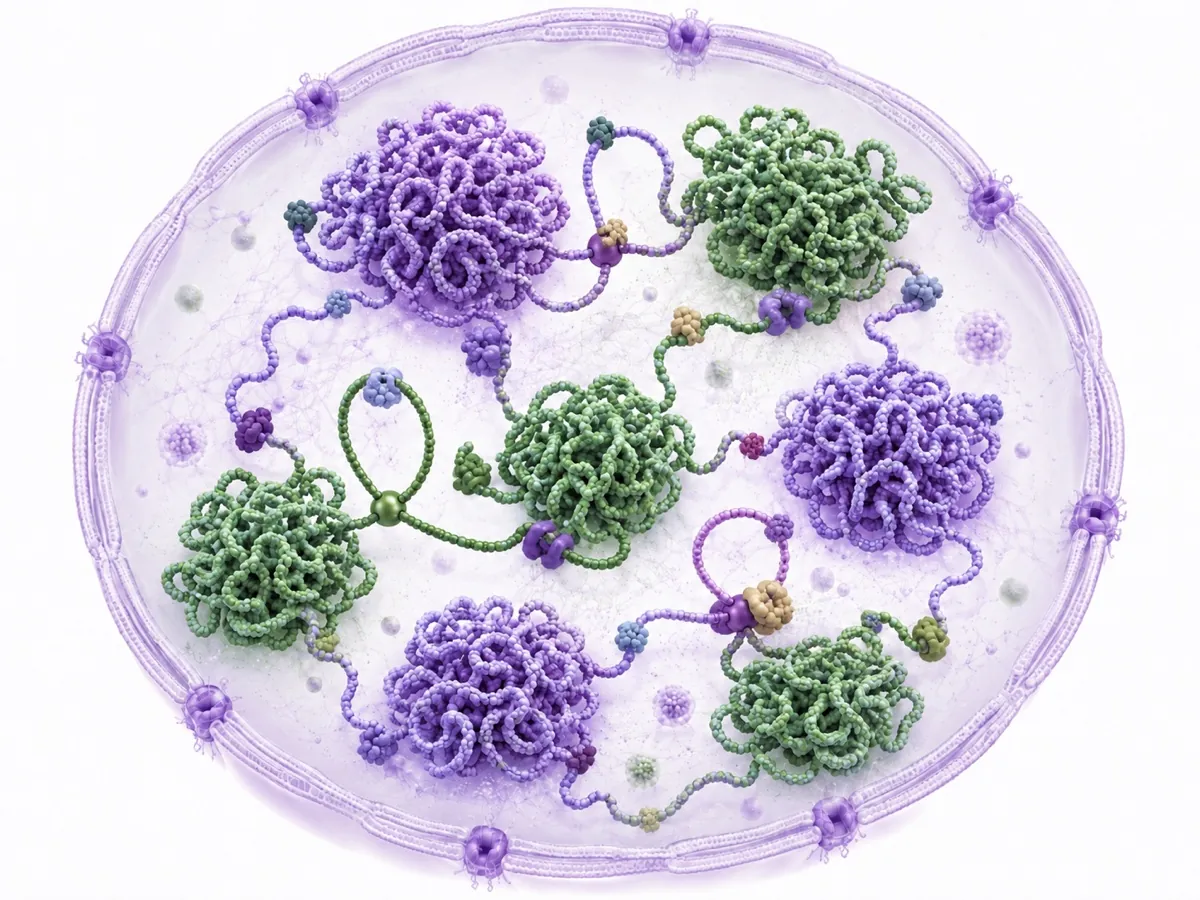
Polymer model of genome organization
Genome Organization

Polymer Models of Genome Organization

How has nature optimized DNA packing inside the micrometer-scale nucleus to manage enhancer-promoter contacts and regulate thousands of genes?

ApproachCoarse-grained polymer models connect chromatin structure to contact formation and regulatory accessibility.
Methods
Polymer modelsCoarse grainingContact analysis
Systems
ChromatinTADsEnhancer-promoter contacts
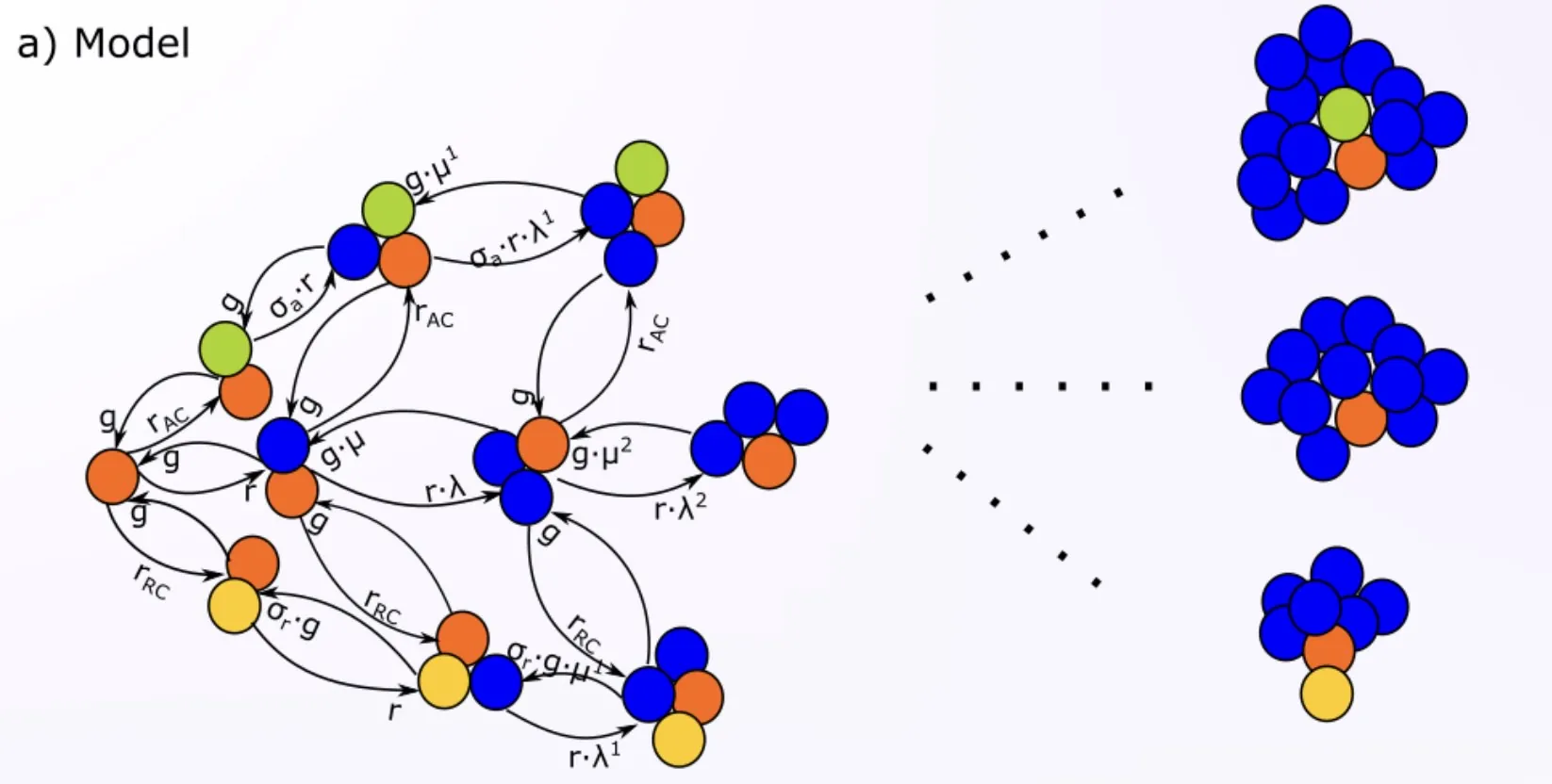
Kinetic modelling illustration
Kinetic Models

Kinetic and Energetic Models of Gene Regulation

How do regulatory systems balance transcriptional speed, noise, and energy cost during enhancer-promoter communication?

ApproachKinetic and energetic models quantify response timing, noise, and efficiency across regulatory states.
Methods
Kinetic modellingKMCEnergy landscapes
Systems
Gene regulationCondensatesTranscriptional noise
Machine learning and bioinformatics illustration
Data-Driven Regulation

Physics-Based Models from Bioinformatics Data

How can bioinformatics patterns and gene behavior reveal the physical rules behind regulatory output?

ApproachWe analyze bioinformatics data, chromatin patterns, and gene behavior to build physics-based models of gene regulation.
Methods
BioinformaticsML featuresHi-C analysis
Systems
Gene expressionChromatin structureRegulatory prediction

Funded Projects

Funding support for battery materials, solid-state battery technology, sodium-sulfur systems, high-purity alumina, and multiscale modelling.

SERB India
Rational Design of Flexible Energy Storage Devices Using Multiscale Simulations and Machine Learning
DST India · IC-MAP
Automation and AI/ML-Assisted Development of Solid-State Battery Technology
ReNew Power Ltd
Room-Temperature Sodium-Sulfur Batteries for Stationary Storage Applications
NALCO
Preparation of 4N High Pure Alumina (HPA) and Substrate Making
IIT Bhubaneswar
Development and Applications of Multiscale Modelling for 2D Material Heterostructures